


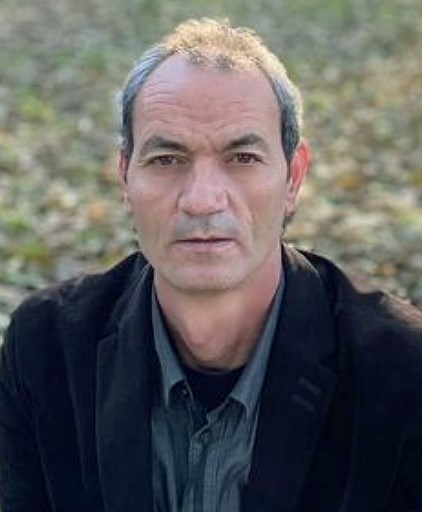
Poem by Dr. Jawaz Jafri
The Blessed Soil
Blessed is the soil That was honored,
To feasting on your roots.
Who,
In the last watch of the night,
That guards your aureate offshoots
With a bare sword.
My Lord! the preserver of my life!
To me,
Reverencing you was owed.
On your bole,
I inscribe my hunger.
My golden days,
Are in the hide of your bark.
O, the sovereign of trees!
Deities,
Sitting on top of Meru
Swear by your name.
Your first fruits,
Got the privilege of accessing their dining tables.
You,
The refuge of the lost traveler.
Your wood,
My final tranquil abode.
On your sprigs,
The threads of my vows are hanging.
Women with elegant height,
Circumambulate your lush bole.
You are aware of the rise and fall,
Of their barren bodies.
The pale wombs, turn green
When come to you.
On your fruits,
The word “prohibited”
Is graven for its sower.
Wearing your shadow,
He resurrects after death.
Your boughs,
Make the history of hospitality۔
You,
The spouse of a maiden,
Who defeated by love.
*Not only gods but also trees are characters of mythological stories. In India and some other societies, trees have the status of gods. Trees have served humans for thousands of years through their fruits, flow Drers, water, wood and shade. Before the era of hunting, humans used these trees as homes for a long time, when man needed to cover himself, the trees helped them with their leaves and bark and later when man invented the art of writing. This bark of the tree became a paper for him. The tree is not only a god itself, but the gods also swear by them. In the subcontinent, old trees have the status of saints and people take vows from them. In some Hindu tribes, childless women circumambulate the tree naked to get children. In some tribes, there was also the belief that the one who sows a tree cannot eat its fruit. Even today, in Pakistan, in the remote areas of Sindh and Punjab, some land lordrs used to marry their daughters and sisters to sacred trees in order to maintain their land property. All the above symbolic colors will appear together in this poem.
Translated by: Shoab Roy



















Leave a Reply