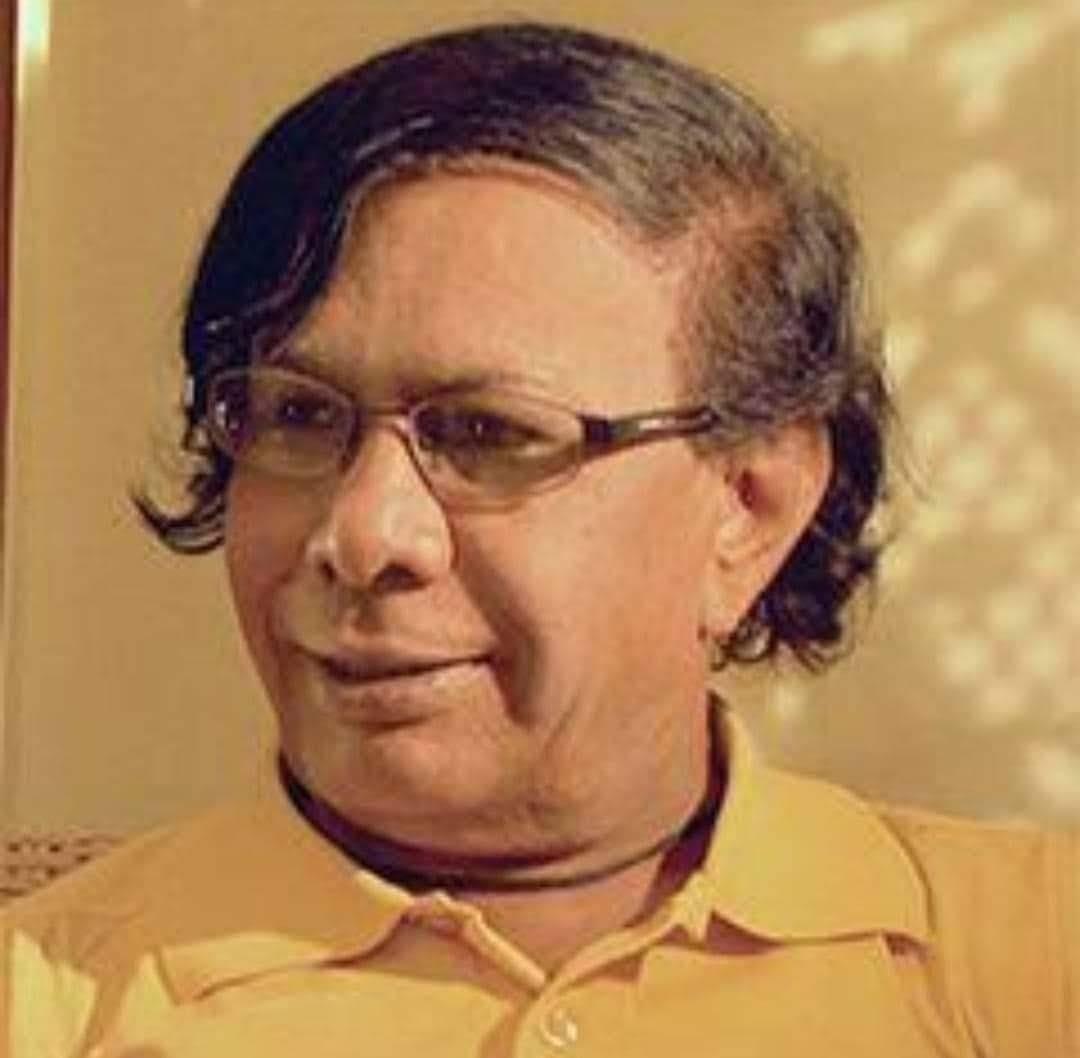

Sudhakar Gaidhani
Review of Devdoot the Angel by Sudhakar Gaidhani
Sudhakar Gaidhani’s epic poem is a masterpiece, a globalist work of art for all of humanity to gather around.
The world was in dire need of the revival of the epic form. From Homer’s Iliad and Odyssey to Virgil’s Aeneid, Dante’s Divine Comedy, Wordsworth’s Paradise Lost, and Goethe’s Faust, epic poetry has changed the world, then went dormant. In his masterpiece Devdoot the Angel, Sudhakar Gaidhani has taken upon himself to reawaken this noble genre in an eruption of sublime imagery, unflinching wit, and a deep spirituality that offers a narrative fit for the human condition in the 21st century.
The Indian poet’s epic comprises of 5 Cantos for a total of 555 pages, and is written in the Marathi language. It tells the story of the Angel Devdoot as he engages with man and nature, with the earthly and the divine, lamenting all that is wrong, praising all that is good, and laying out the blueprints for the triumph of this good.
It is a global epic fit for global times, where our angels come face to face with our demons in an indefatigable effort to understand, mourn, and overcome the inertia of humanity’s history and our modern challenges. The poem shies away from nothing. It touches on racism, as can be seen in the lines:
“Lord, if humans had programmed themselves, / Like chameleons, / To change their colours, / There wouldn’t be any strife / Between black and white brothers.”
Or on the destruction of nature:
“(Man) burrows the core of the mother earth hollow like a giant rat.”
Or war:
“The earth has been an innocent victim of ravages wreaked upon Hiroshima (and) Nagasaki.”
This modern epic wrestles with religion and nationalism, philosophy and science, sexism and injustice, war and poverty, climate change and the destruction of the planet, existential questions and spiritual investigations. It cherry-picks the beauty and wisdom of religious, philosophical, and literary traditions while unapologetically breaking away from them whenever a course correction is due. Above all, it often finds beauty and wisdom precisely in the neglected seam between traditions, reconciling a fractured humanity.
Deeply immersed in Hindu tradition and mythology, Gaidhani’s epic nevertheless fuses together many other sources, such as Buddhist, Muslim, and Judeo-Christian. The bird-like angel Devdoot is a friend and ally of Jesus Christ and the Buddha:
“To this day I cherish in my wings the eyes of Christ and the Buddha’s smile / That’s why this sea has made a captive of me.”
Devdoot champions their attitude as he soars through the Hindu landscape populated by the gods Shiva, Lord Vithu and the travelling Narada, by the holy bull Nandi and holy pilgrims called Talkaris. At the same time, the Angel’s travels take him to Jerusalem at the time of the Christ’s crucifixion, to Mecca where he might pray to Allah, and to the seven stories of Heaven. His journey takes him through the imagination and the subconscious, in short – every period, milieu, and dimension of the human condition.
The bedrock of this gushing journey is Gaidhani’s poetic prowess. Riddled with gems of imagery, metaphor, and rhythm, chiseled into concise yet lyrical lines, his masterful writing holds everything together and guides the reader’s attention and mood. Or to use the Angel Devdoot’s words:
“The world carries on with its journey / moment by moment and step by step / like the flow of ink streaming / word by word.”
Gaidhani’s epic is a game changer, both for modern literature and for modern society.

Daniel Revach













Leave a Reply