Claudia Piccinno [Italy]
The poetry wants to build bridges through a multilingual dialogue
What is the mission of poetry in this dark time plagued by conflicts and barbarism of all kinds? Big names continue to repeat that poetry is useless and in fact beauty cannot save the world, but it can produce small daily changes in those who read it, it can train us to listen and remind us that only through listening does empathy develop. Putting ourselves in someone else’s shoes through reading poetry is a good way to question ourselves about what we would like for our young people and what we would not like to be done to us.
The prophetic function of poetry is precisely that of wishing well, of recognizing glimmers of humanity to carry forward into the future. Authors from all over the world leave us their melody to highlight how much to save and how much to leave behind.
Not everyone has written songs about beauty and perfection, friendship and peace, sometimes you can read poems full of pain, uncertainty, fear, nostalgia but all the authors present inhabit poetry as if it were an immense Tower of Babel and strive to speak the mother tongue of poetry to communicate with each other, because whoever stops doing so, is lost. Poetry does not raise fences, does not build walls and does not build walkways or shop windows, poetry wants to build bridges through a multilingual dialogue that does not erase anyone’s identity but places it next to a plural system of many different identities.
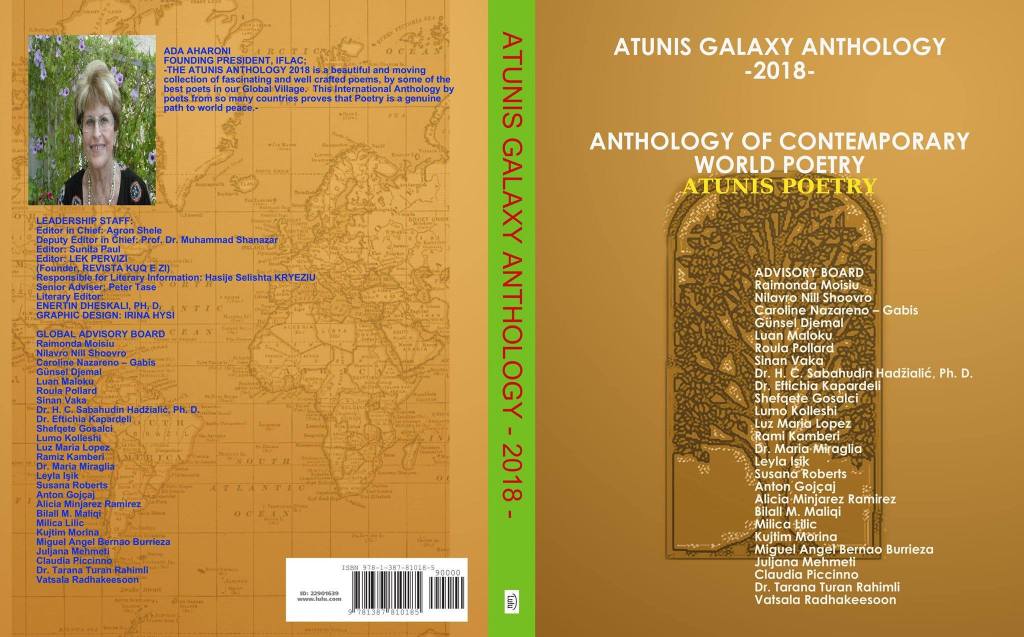
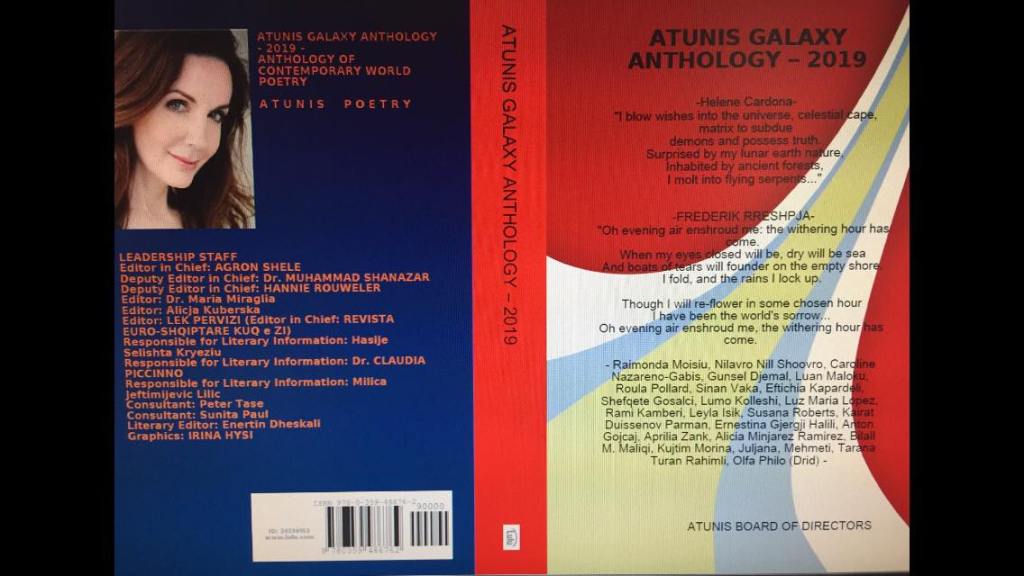
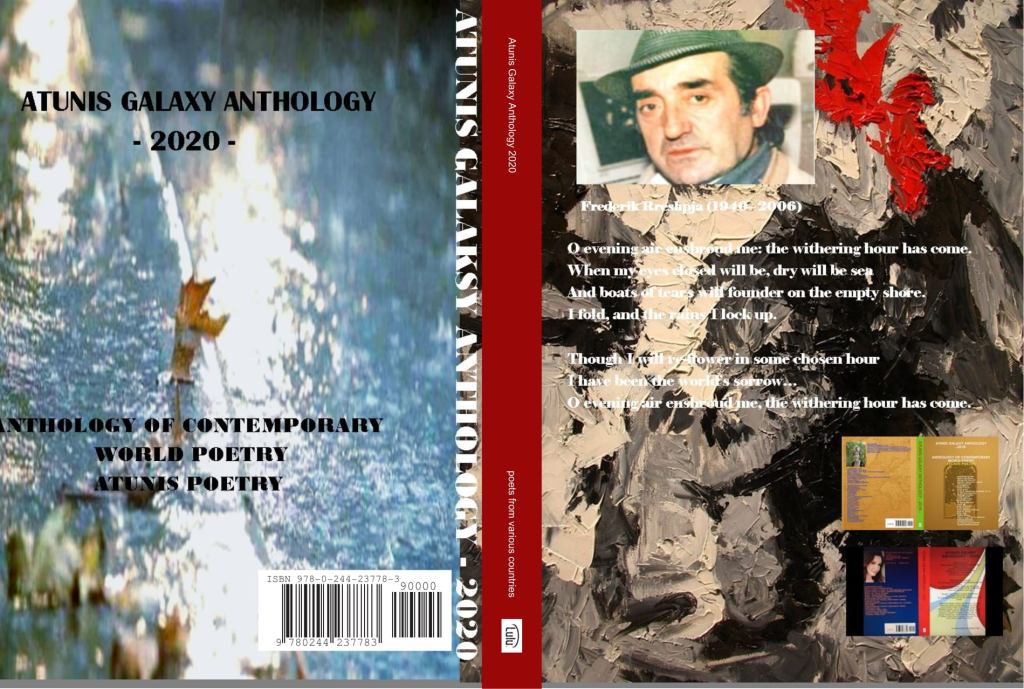
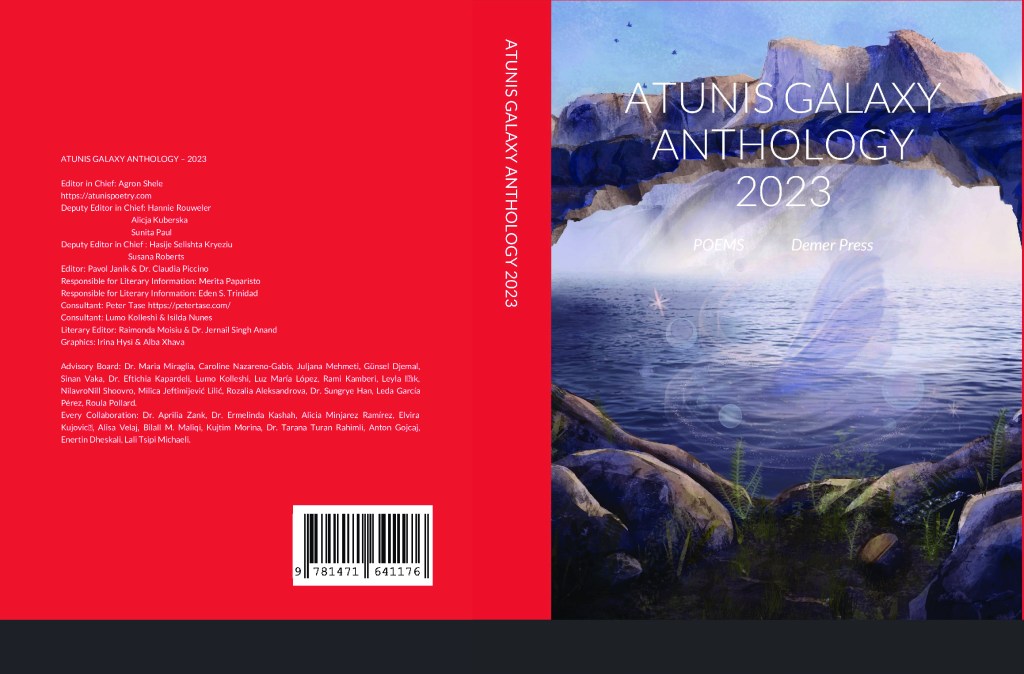
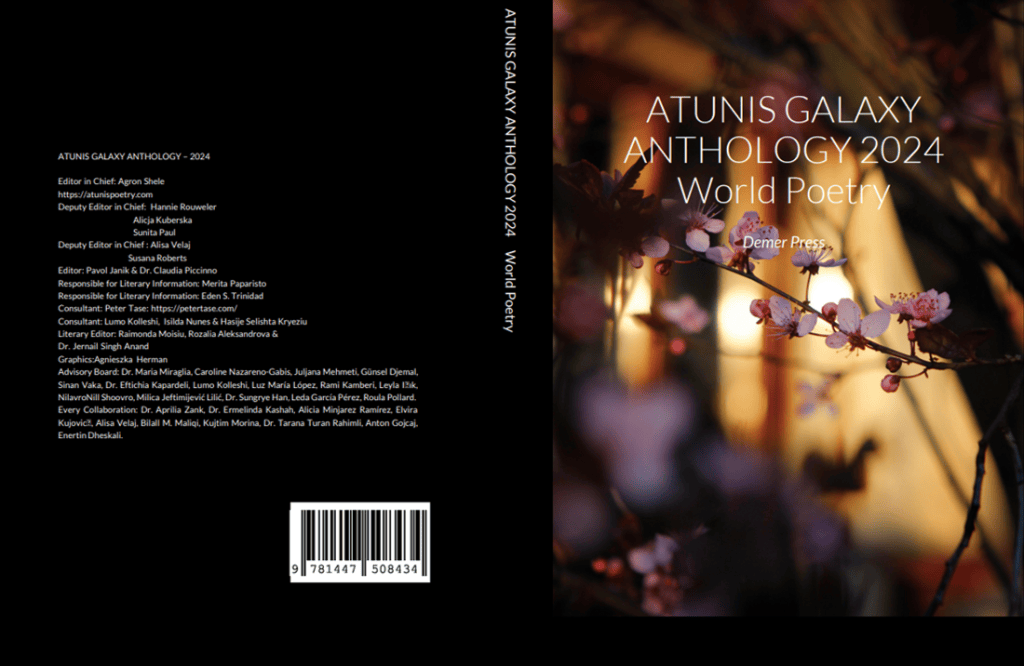
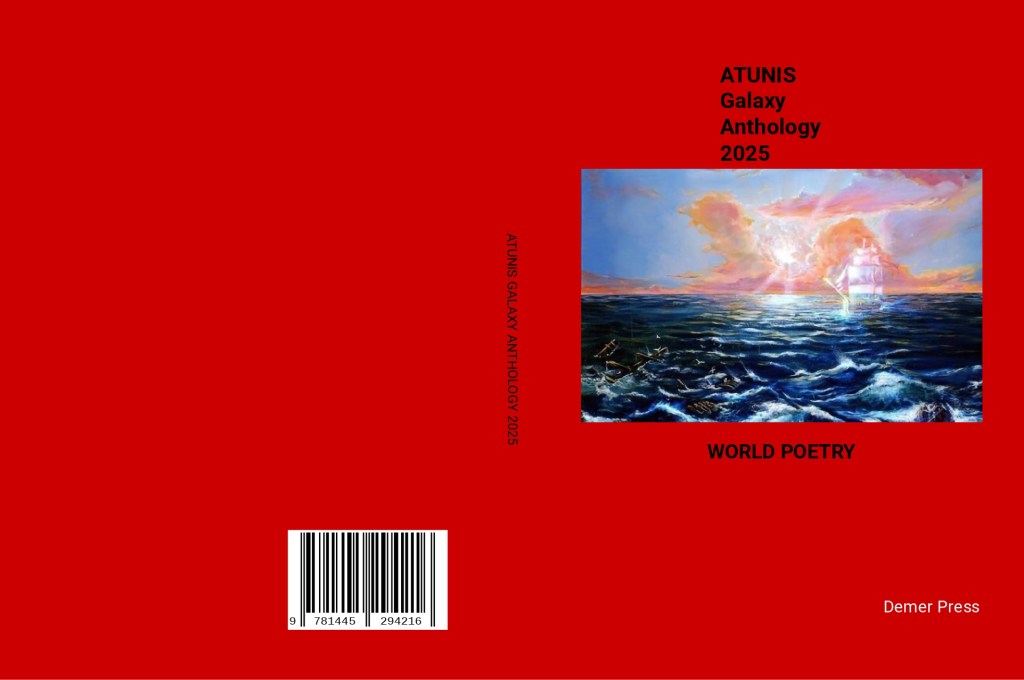
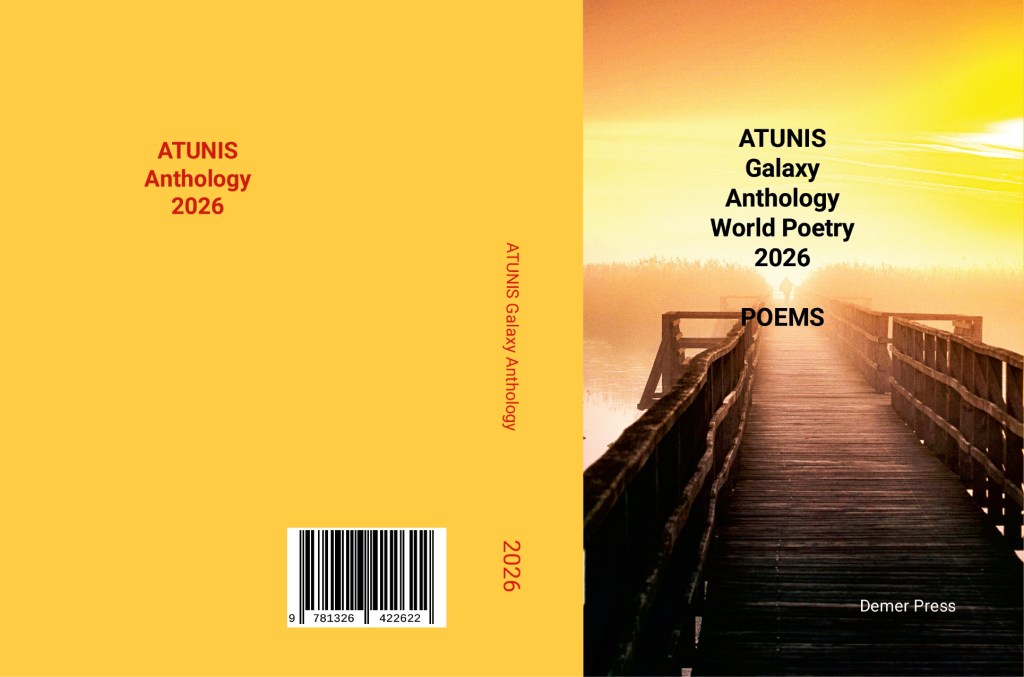
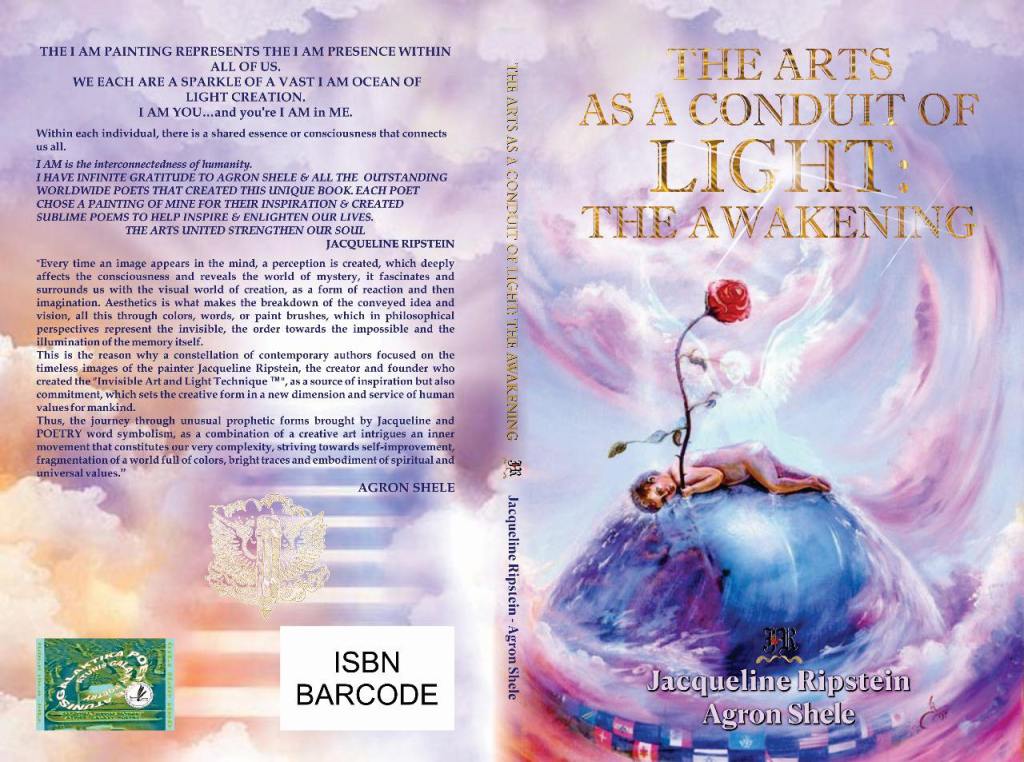
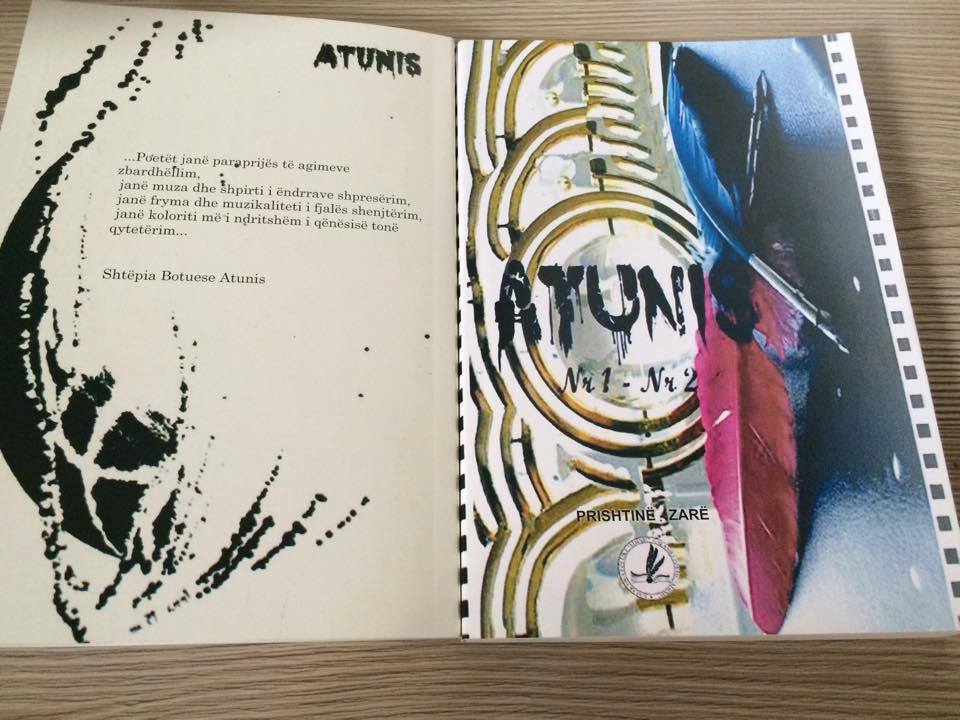
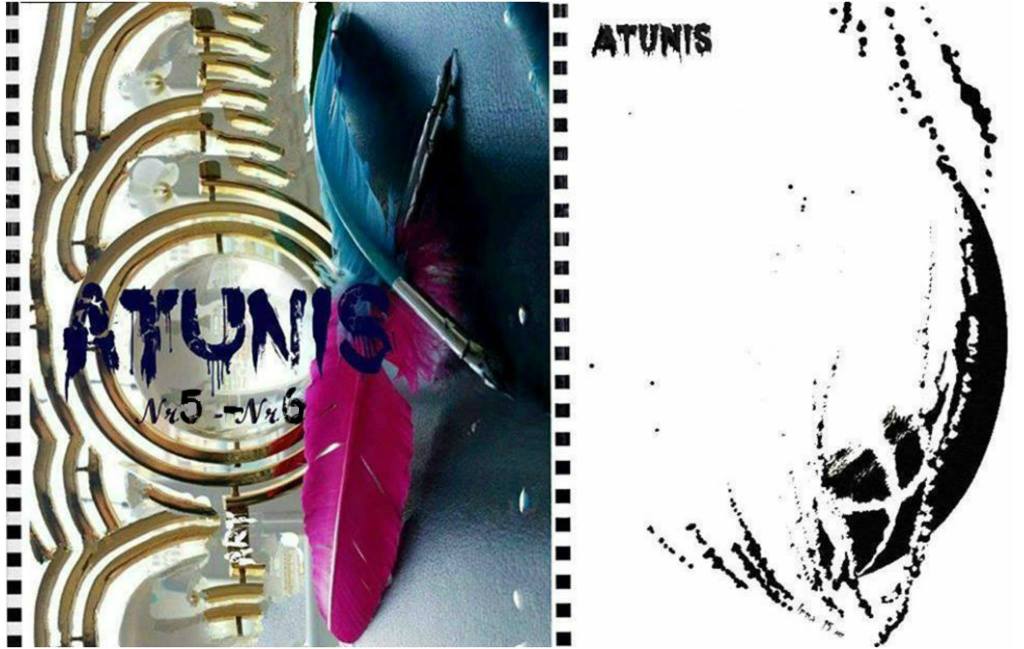
The main builder of these poetic bridges is the writer Agron Shele who manages the magazine Atunis and punctually every year deals with the compilation of this almanac of contemporary poetry, bringing together around the word many intellectuals from different parts of the world. In this Anthology there is no logic of “do ut des” as ancient Latin says to indicate any exchange of kindness, the authors in this book are selected solely based on their stylistic figure and their devotion to poetry. Even the presence of artists with their works demonstrates how the contamination between genres contributes to the cultural mission of sowing empathy and awakening consciences through free expression, metalanguage and dreamlike vision.
A collection of poems is not read in a couple of hours but is enjoyed every other day by leafing through it at random. So I invite you to keep this treasure chest on your bedside table and take refuge in the cathartic power of beauty, whether it is made of sounds, echoes, rhythms, colors or glances.
***
克劳迪娅·皮奇诺[意大利]
诗歌期冀通过多语种对话架起桥梁
在这个充斥着各种冲突和野蛮行径的黑暗时代,诗歌的使命是什么?大名鼎鼎的诗人不断重复着“诗歌无用论”,事实上,诗歌之并不能拯救世界,但诗歌能在阅读它的人每天产生微小的变化,它可以训练我们倾听,并提醒我们只有通过倾听才能产生共鸣。通过阅读诗歌设身处地为他人着想,是一种让我们质疑自己,让我们思考希望年轻人拥有什么,而不希望他们遭受什么的绝妙方式。
诗歌的预言功能恰恰在于寄予美好的愿望,在于发现人性的闪光点并将其带入未来。来自世界各地的诗人们为我们留下他们的旋律,以彰显我们哪些值得留存,哪些应当摒弃。
并非所有人都能写出关于美与完美、友谊与和平之诗,有时你会读到充满痛苦、不确定、恐惧、怀旧的诗,但所有在场的作者都像居住在一座巨大的巴别塔中那样,竭力用诗歌的母语相互交流,因为谁若停止这样的交流,谁就会迷失方向。诗歌不会筑起藩篱,不会建造围墙,也不会铺设人行道或开窗设店,诗歌渴望通过多语种对话架起桥梁,这种对话不会抹杀任何人的身份,而是将其置于一个由众多不同身份构成的多元体系之中。
这些诗歌桥梁的主要建造者系著名作家阿格隆·舍莱,他负责《阿图尼斯》选本,并且每年都会按时编纂出版这本当代诗歌年鉴,将世界各地的众多知识分子汇聚一堂。在这本选集里,不存在古拉丁语所说的“吾予之,汝必予之”这种表示善意交换的逻辑,书中作者的入选完全基于其独特的风格和对诗歌的热爱。甚至艺术家们及其作品的存在也表明,不同艺术形式之间的交融有助于文化使命的实现,即通过自由表达、元语言和梦幻般的视角播种共鸣、唤醒人们的良知。
一本诗歌年鉴不是在几个小时内就能读完的,而是可以隔天随意翻阅,慢慢品味。因此,我邀请你将这个百宝箱置于你的床头,在美的宣泄之力中寻求庇护,无论它是由声音、回响、节奏、色彩,还是目光所构成。

(张智博士 译;Translated into Chinese Language by Dr. Zhang Zhi)









Leave a Reply